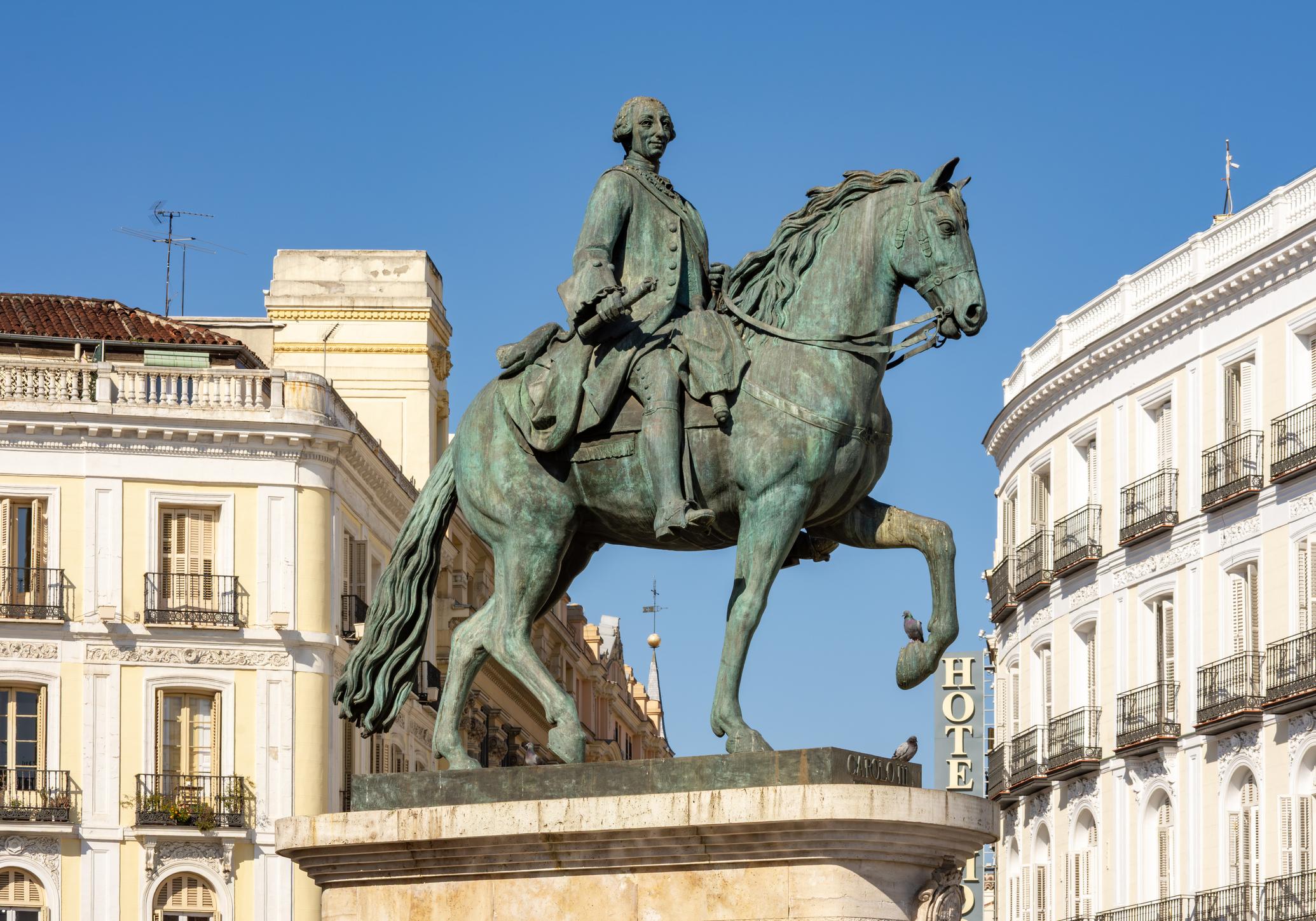
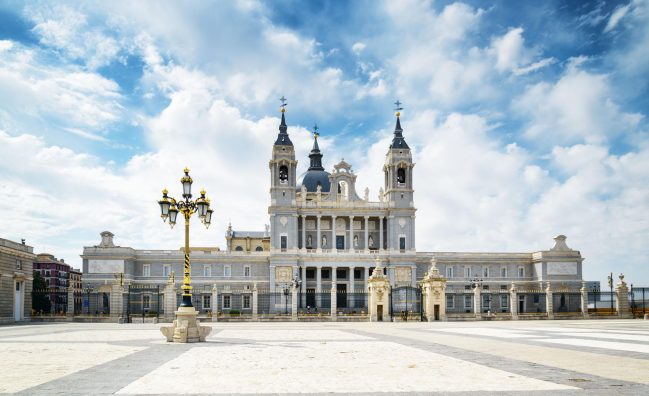
The transfer of the Spanish capital from Toledo to Madrid in 1561 by King Philip II marked a turning point in the city’s history. From that moment on, Madrid began to transform itself with the construction of new buildings, squares and palaces that shaped what is now Madrid de los Austrias, one of the capital’s most emblematic historic districts.
During this tour, we will walk through the streets of Madrid de los Austrias, an area that preserves the essence of the city during the Habsburg dynasty, when Madrid established itself as the political and cultural centre of the Spanish empire. Throughout the tour, we will discover how the city developed in the 16th century and how these transformations left a visible mark on its architecture, squares and monuments.
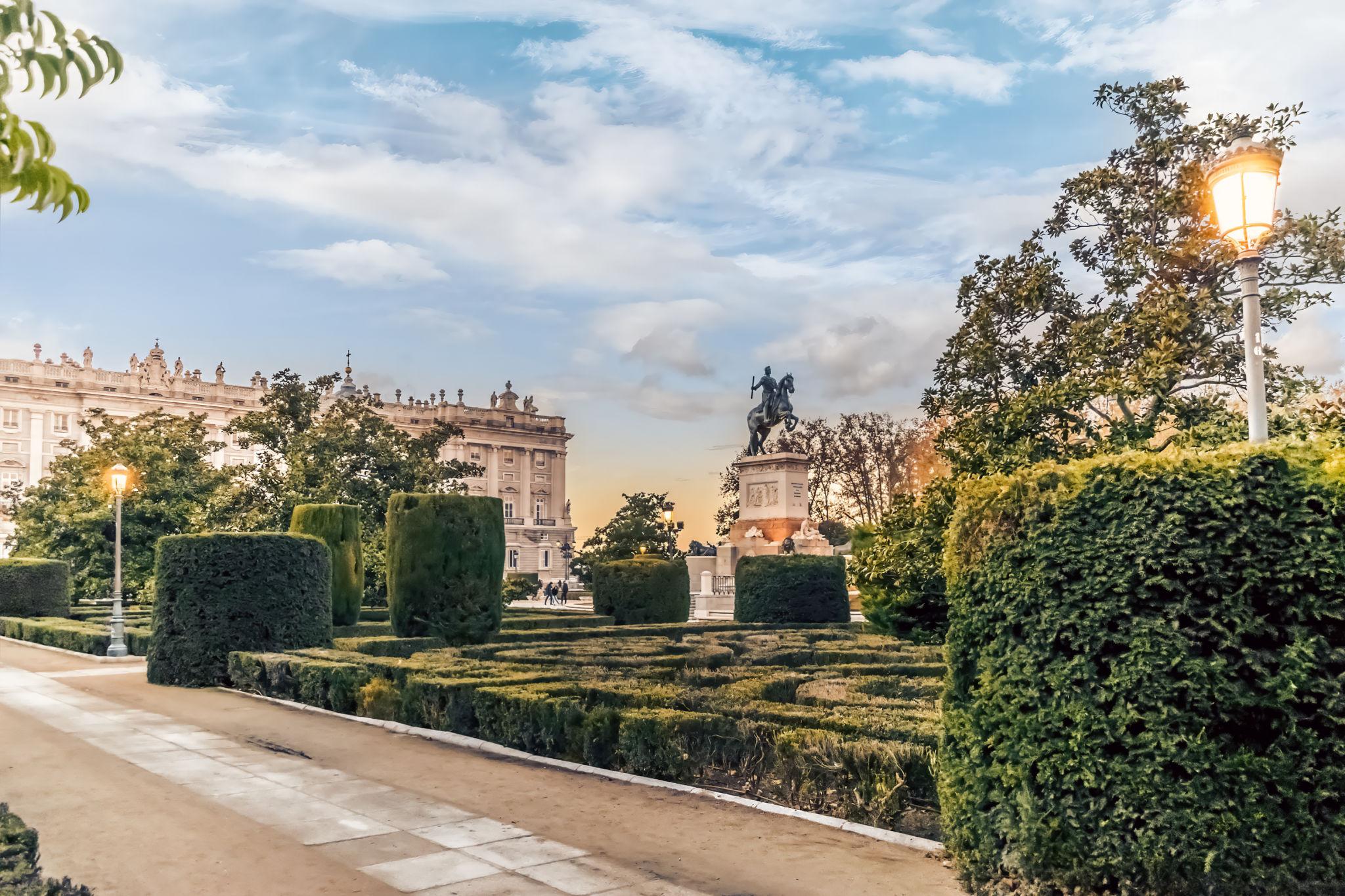
Monument to Philip IV (equestrian sculpture) Plaza de Oriente
Hours: 10:00 AM to 8:00 PM
1h 30m
Specific Tour
9 people
English, Espanol
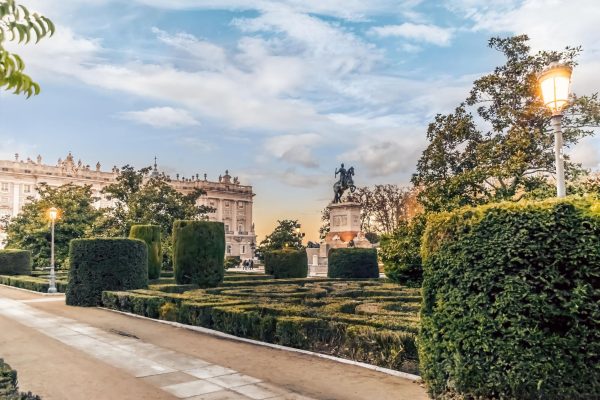
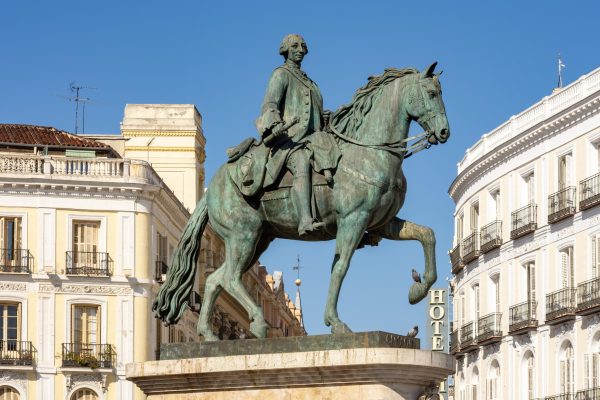
Plaza de Oriente is one of Madrid's most elegant squares, located between the Royal Palace and the Royal Theatre. It is notable for its gardens and the equestrian monument to Philip IV, surrounded by statues of former Spanish kings. From here you can enjoy one of the best views of the Royal Palace.
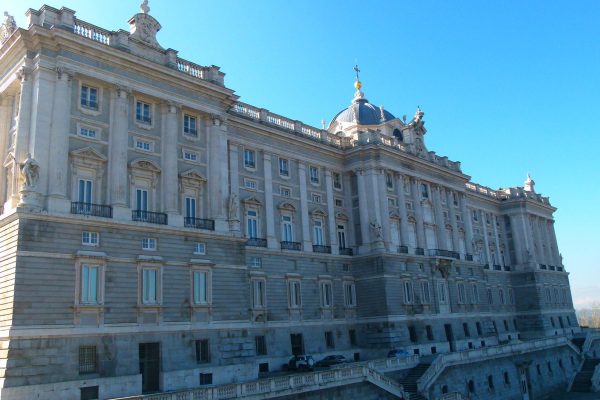
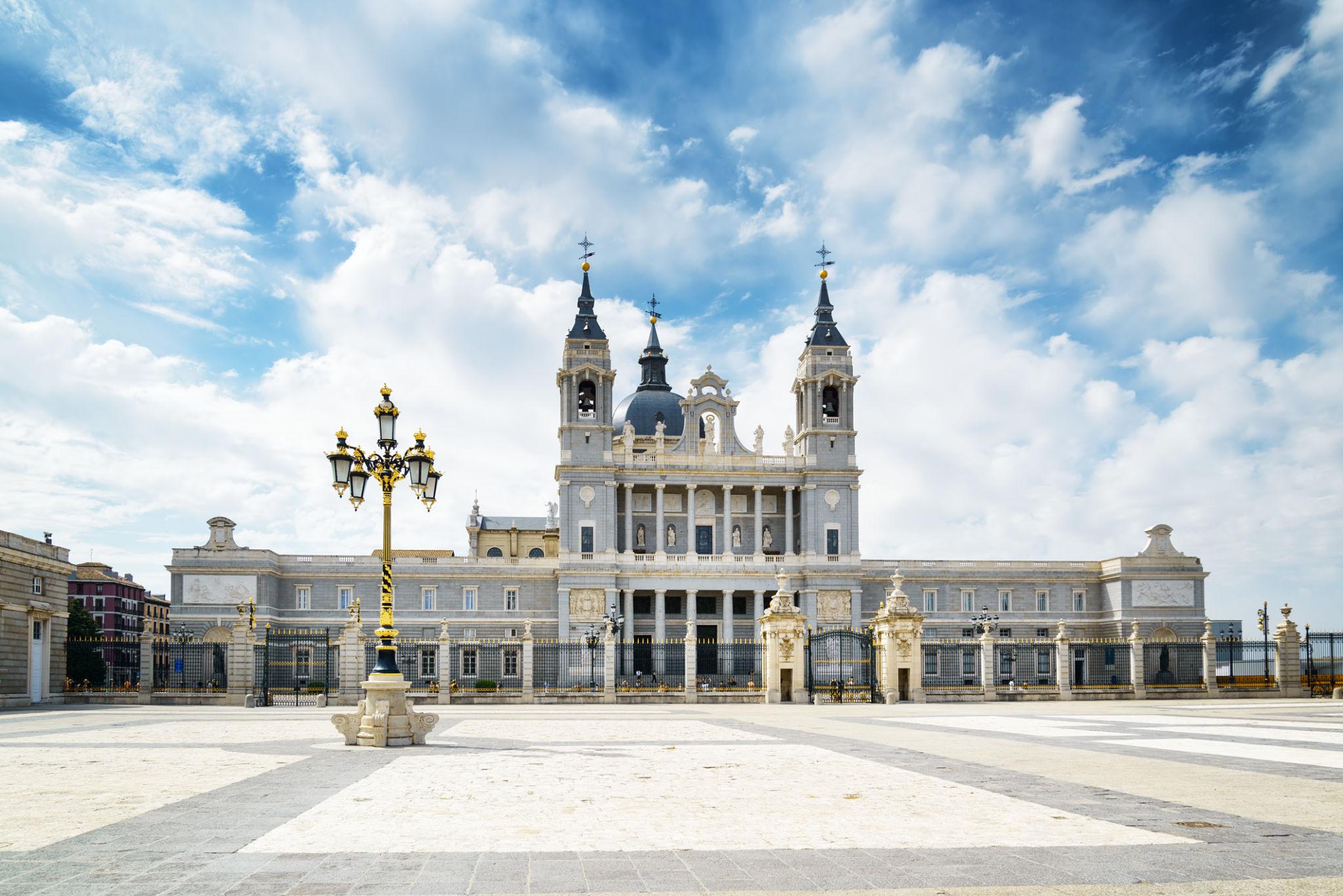
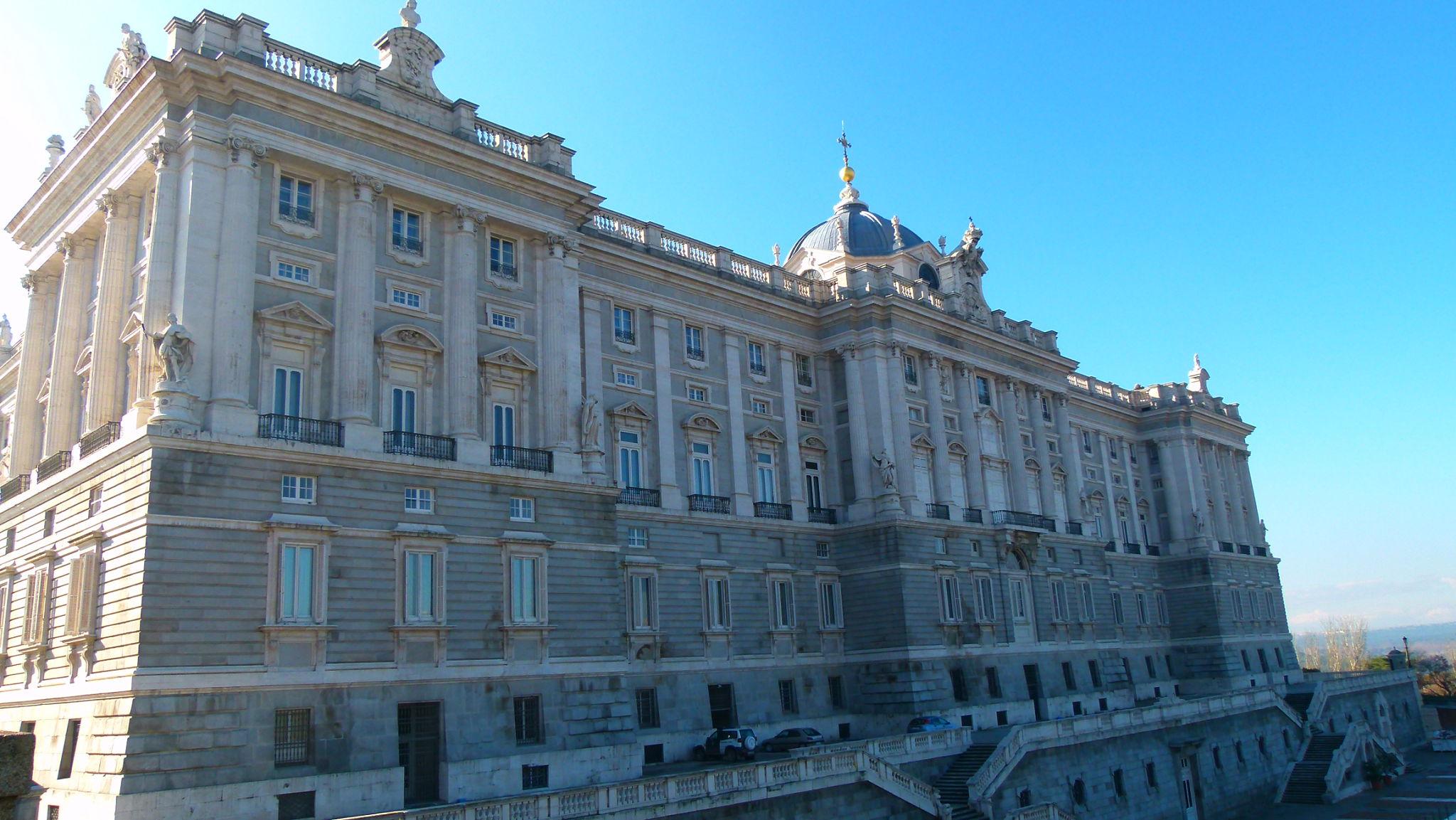
The Royal Palace is the official residence of the King of Spain for state ceremonies, although the current monarchs do not live there.
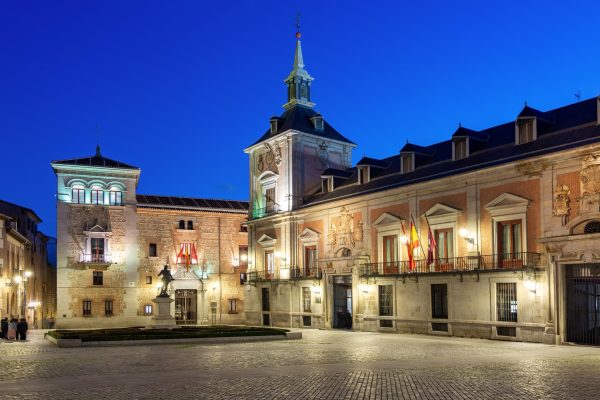
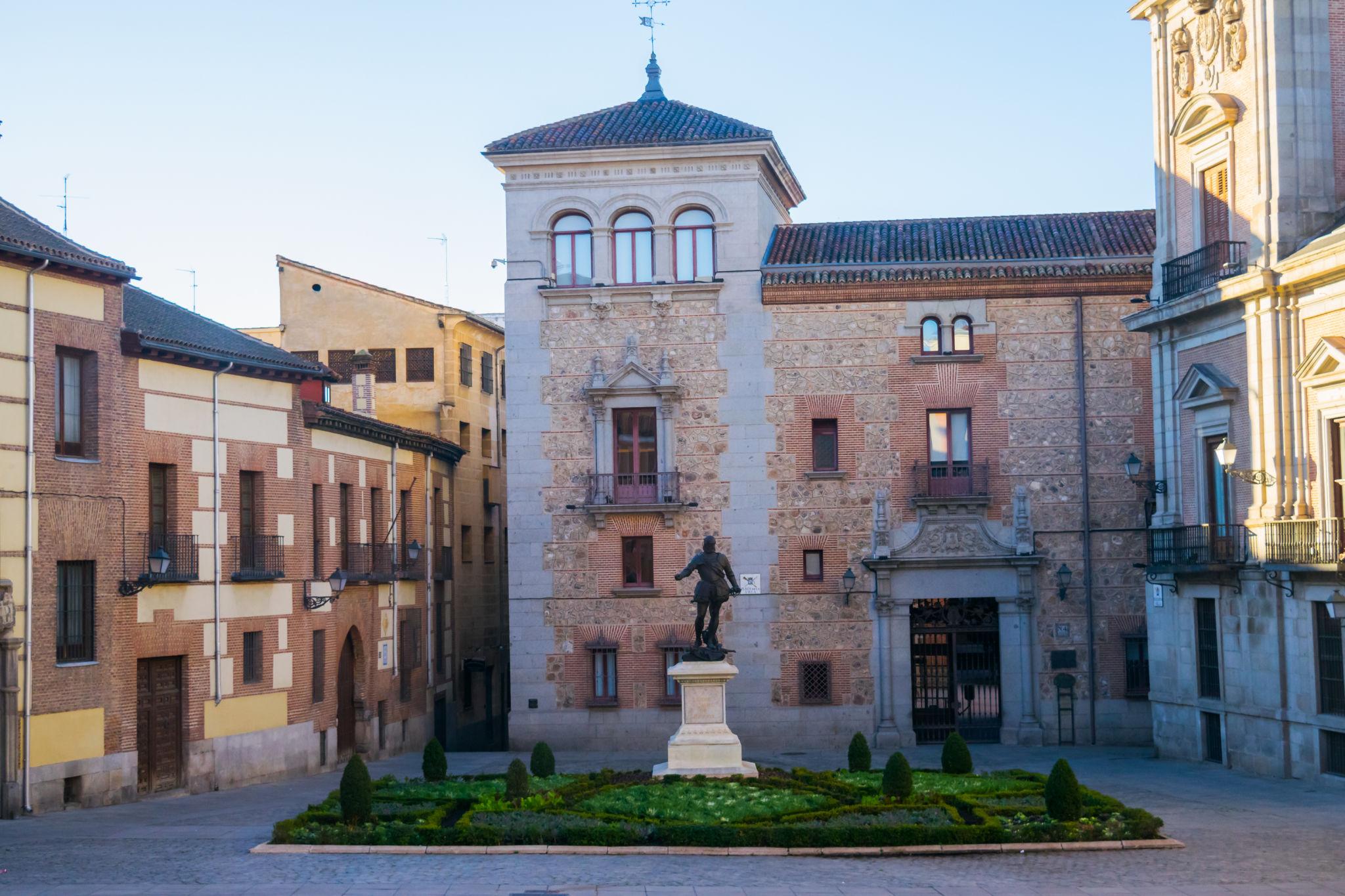
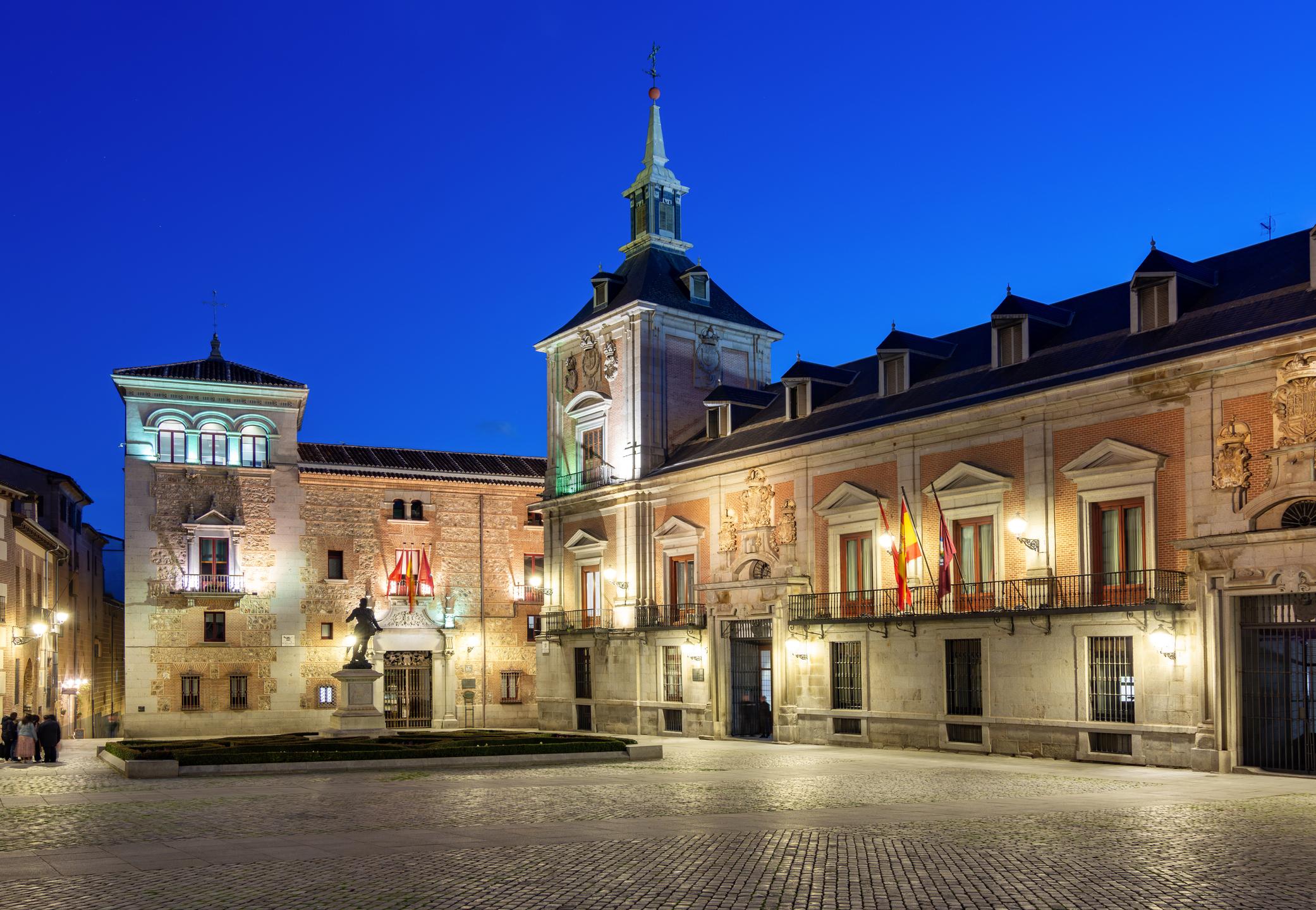
Plaza de la Villa is one of the oldest and best-preserved corners of historic Madrid. It is home to iconic buildings such as the Torre de los Lujanes, the Casa de la Villa and the Casa de Cisneros, which reflect the city's medieval and Renaissance architecture. For centuries, it was one of Madrid's most important administrative centres.
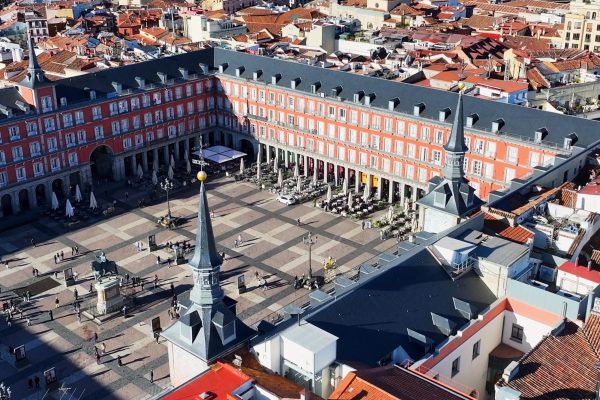
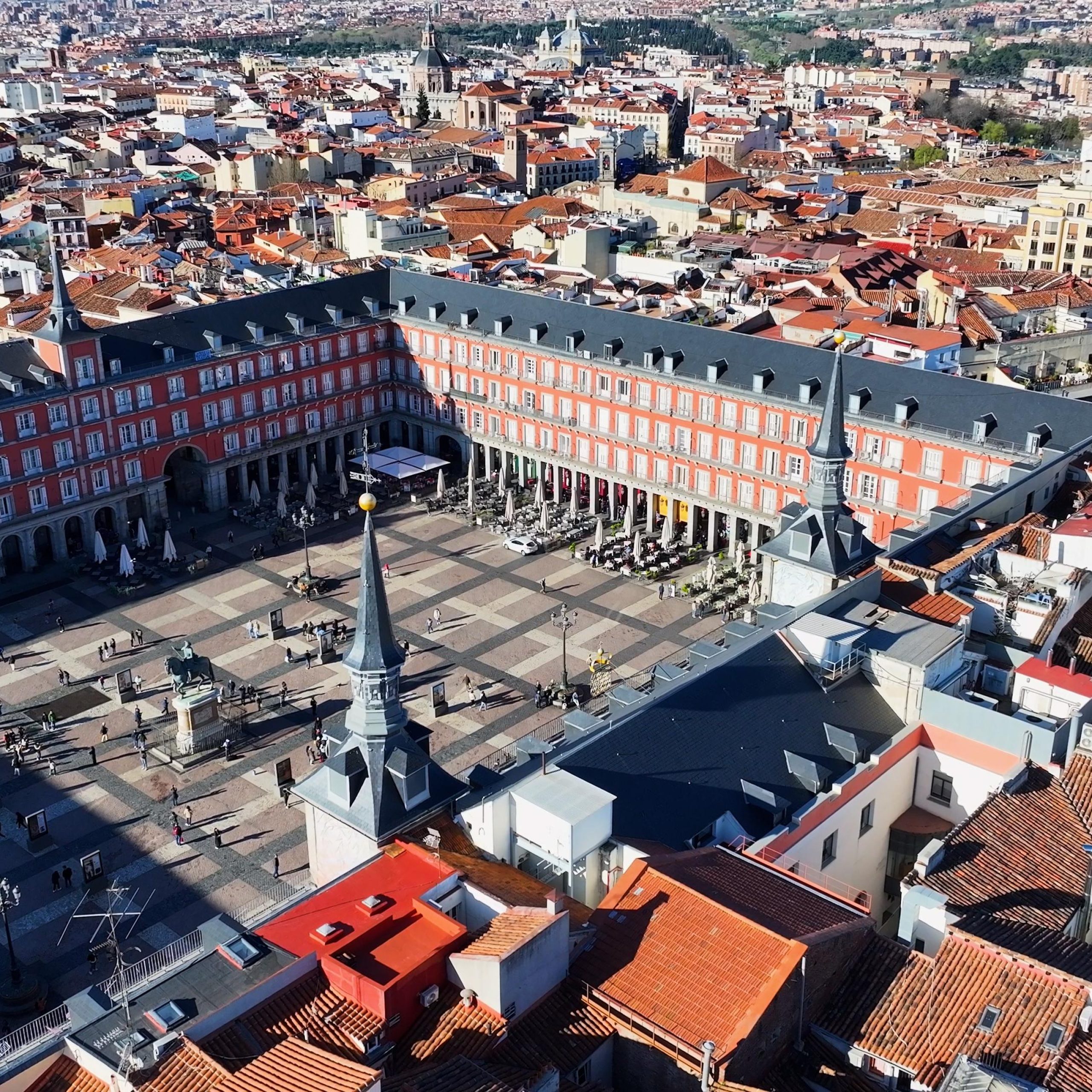
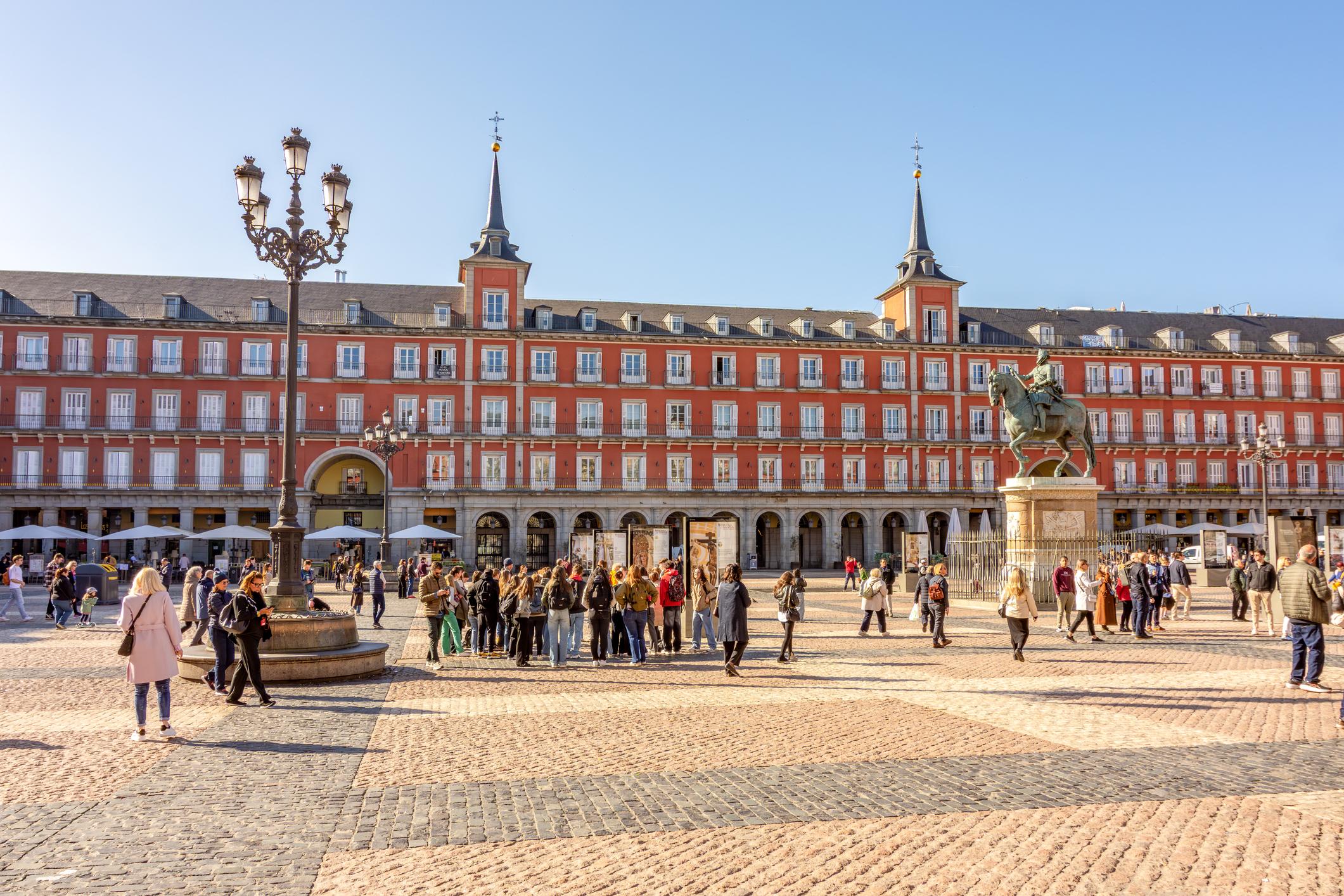
The Plaza Mayor is a rectangular square surrounded by three-storey buildings with over 200 balconies and several entrances connecting to the historic centre.
The Casa de la Vela stands out for its iconic mural-clock on the façade, which has become one of the most photographed features in the neighbourhood.

Member Since 2026
 Madrid
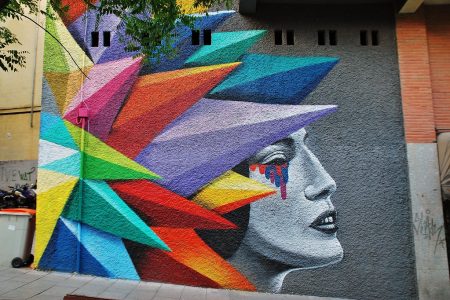
Artists such as Suso 33, Muelle, Borondo, Okuda and Jonipunto form part of the extensive repertoire of world-renowned artists of Madrid’s so-called ‘Street Art’.
1h 30m
9 people
 Madrid
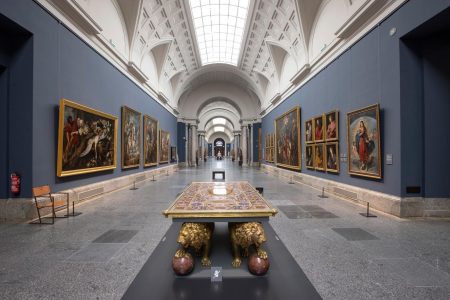
Discover the Prado Museum on a guided tour that will introduce you to some of the most important masterpieces in art history.
1h 30m
9 people